
Folk Fashion – Folklore is in! (Fekete ház / Black house)
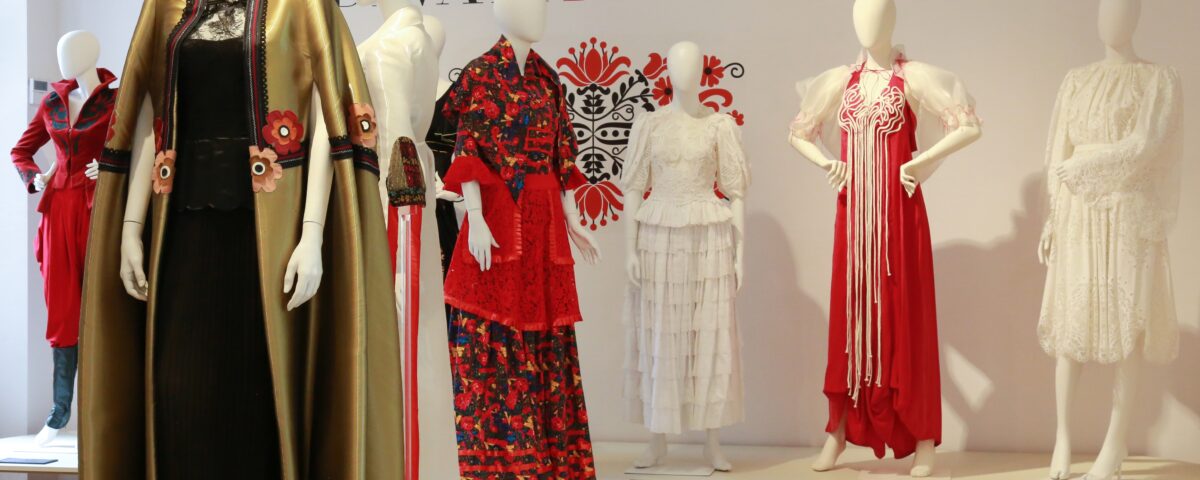
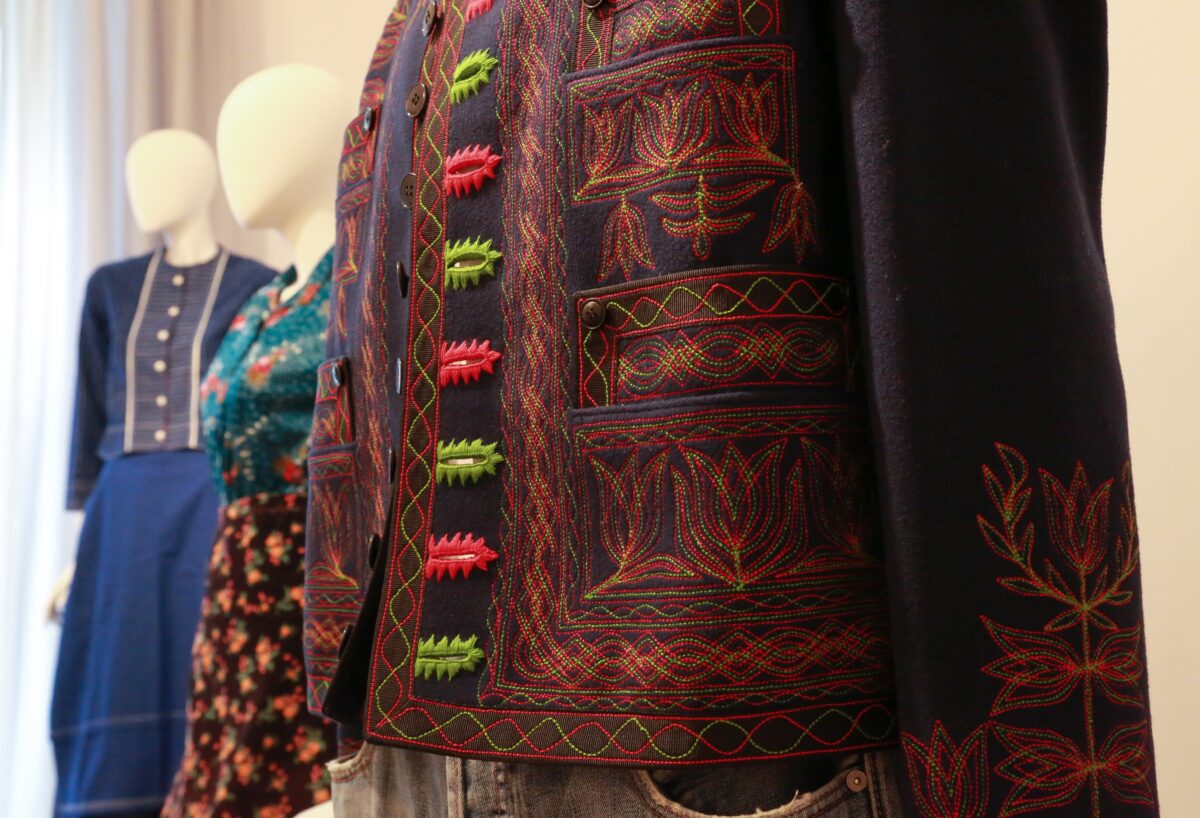
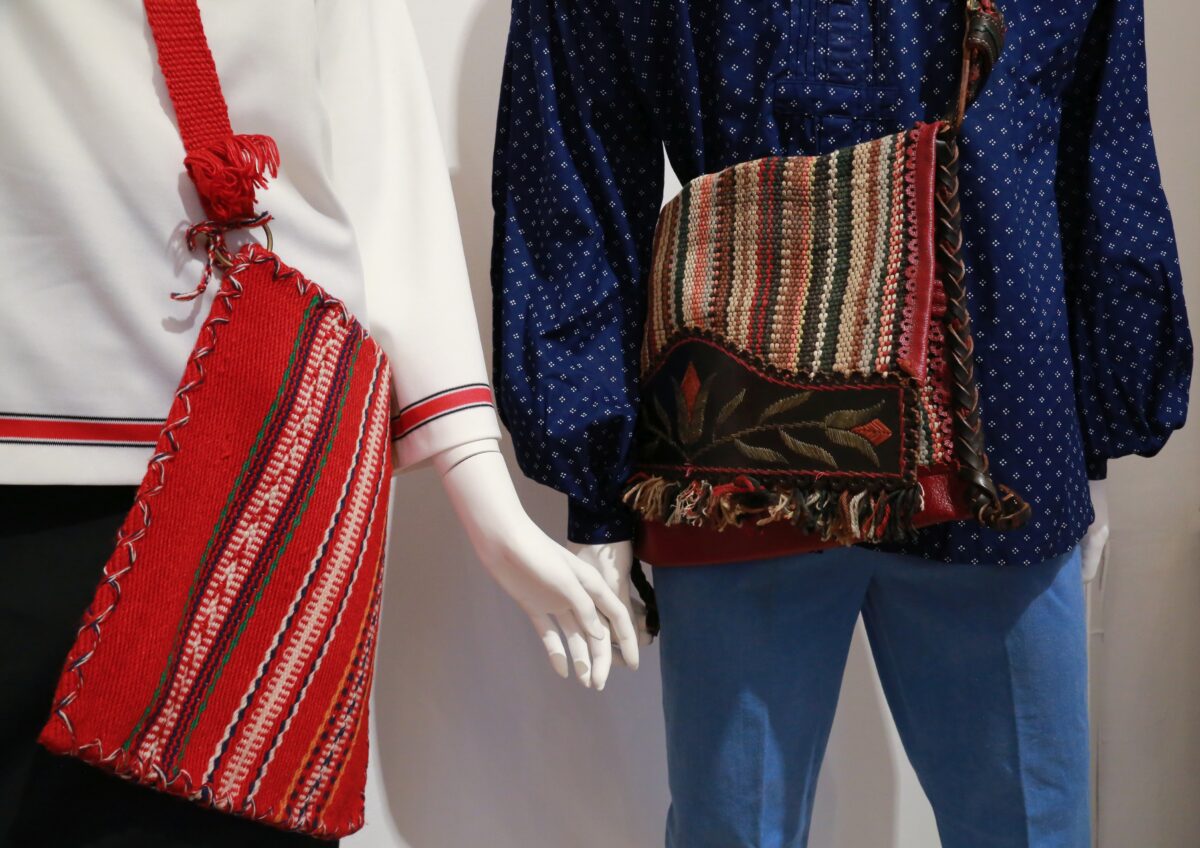
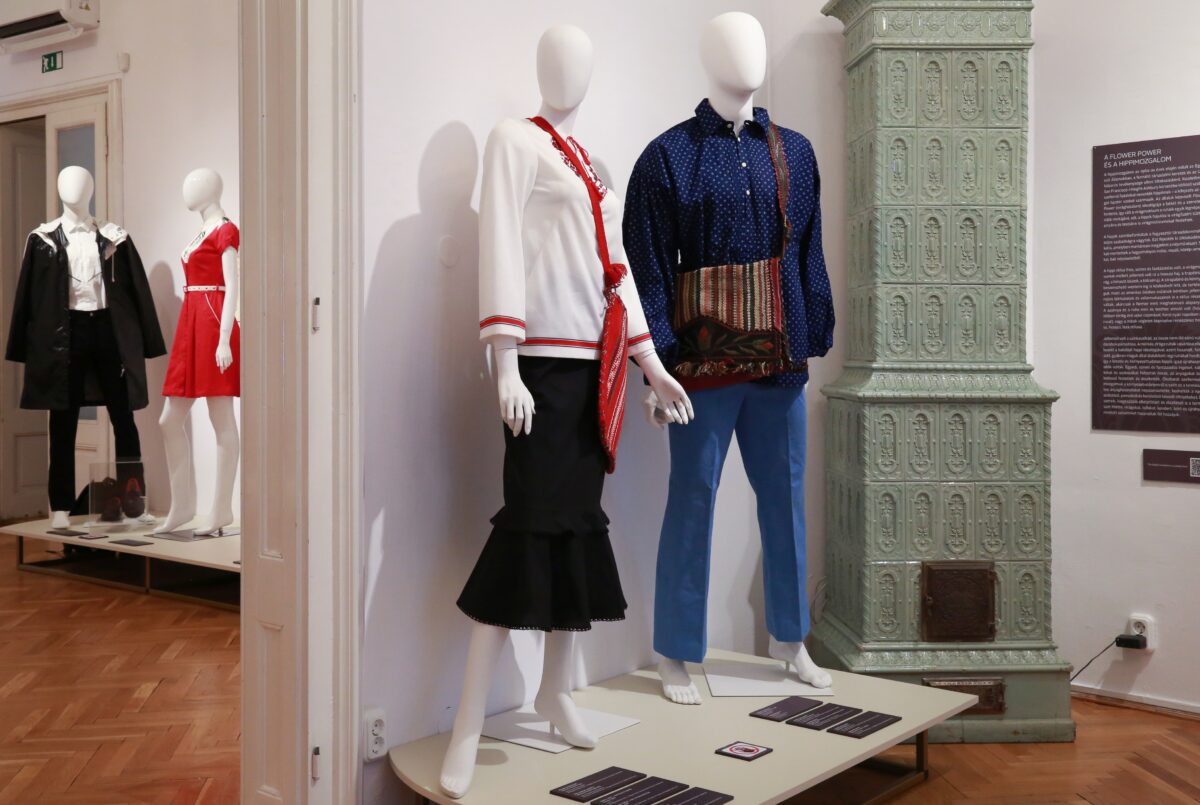
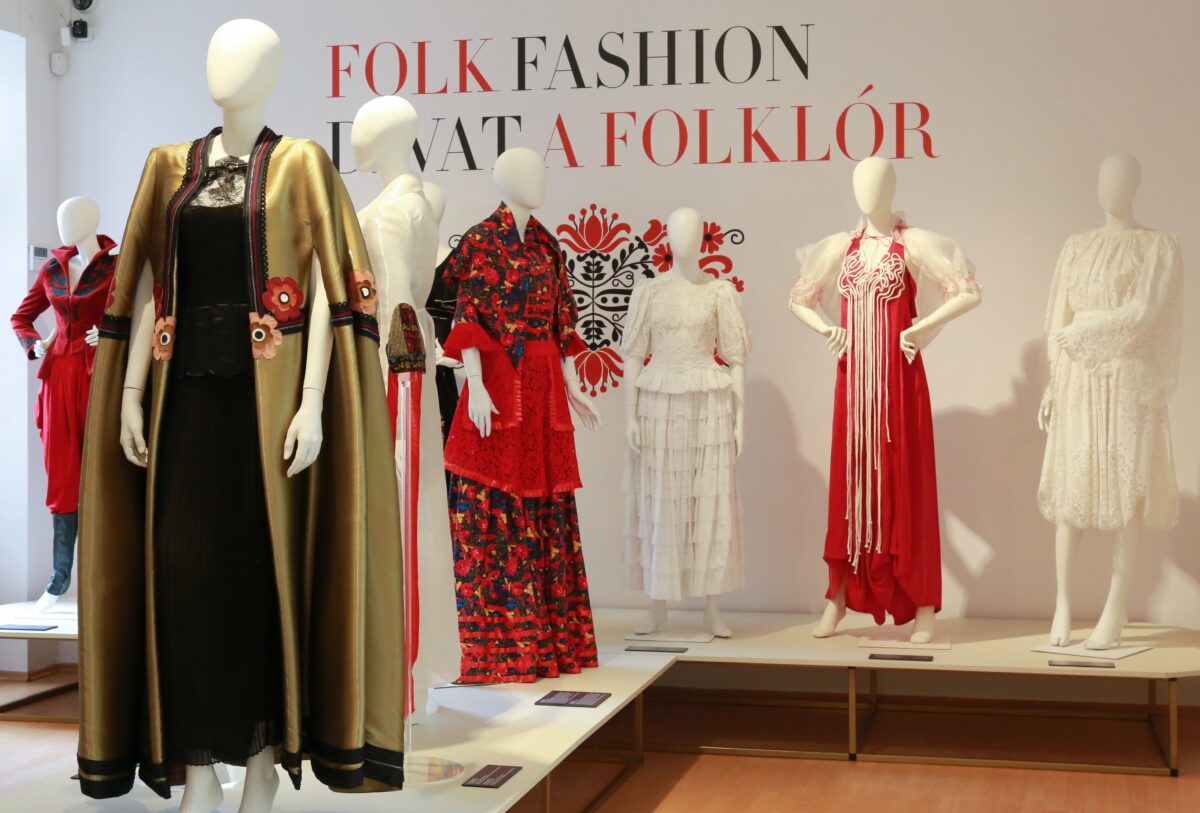
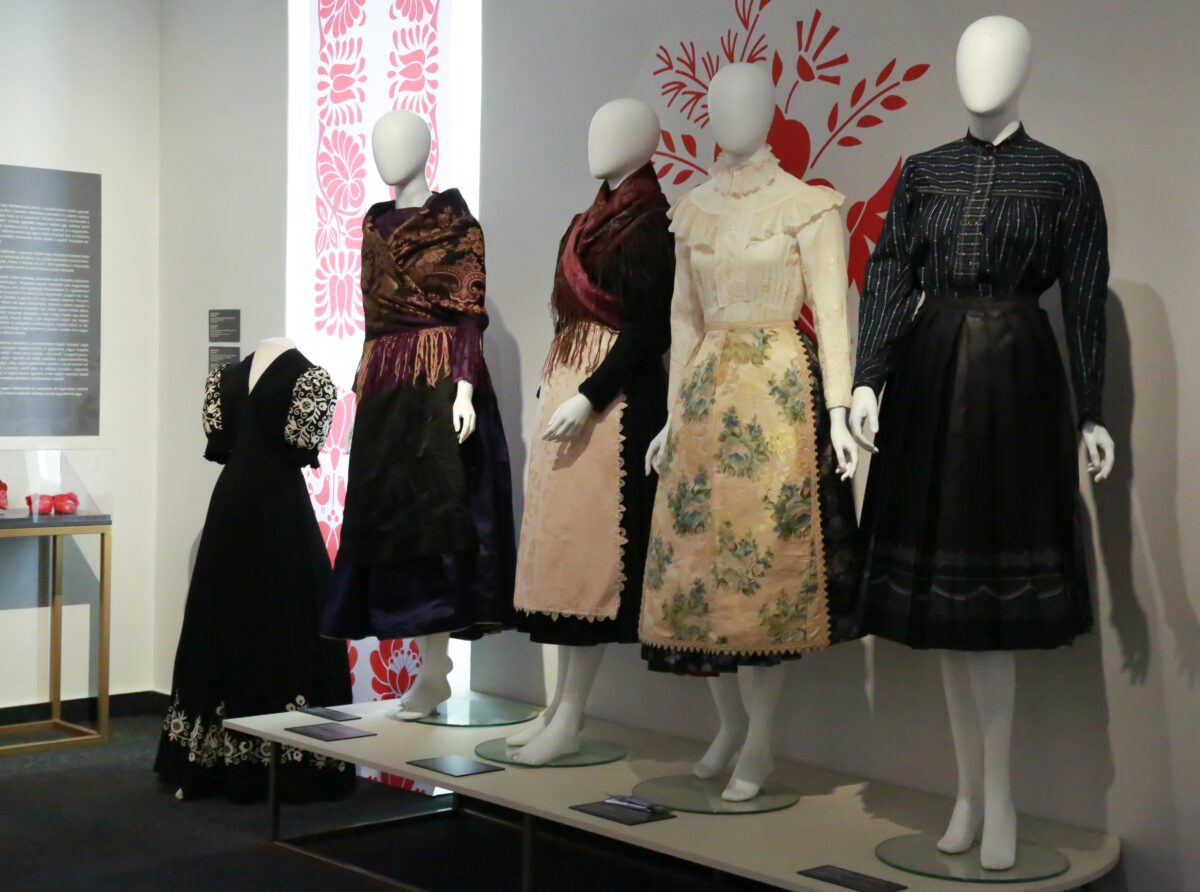
23 July 2026 – 31 December 2026. The exhibition entitled ‘Folk Fashion – Folklore is in!’ showcases nearly 80 garments at the Fekete ház (Black House): traditional folk costumes and modern fashion creations featuring folk art motifs, dating from the early 20 th century right up to the present day.
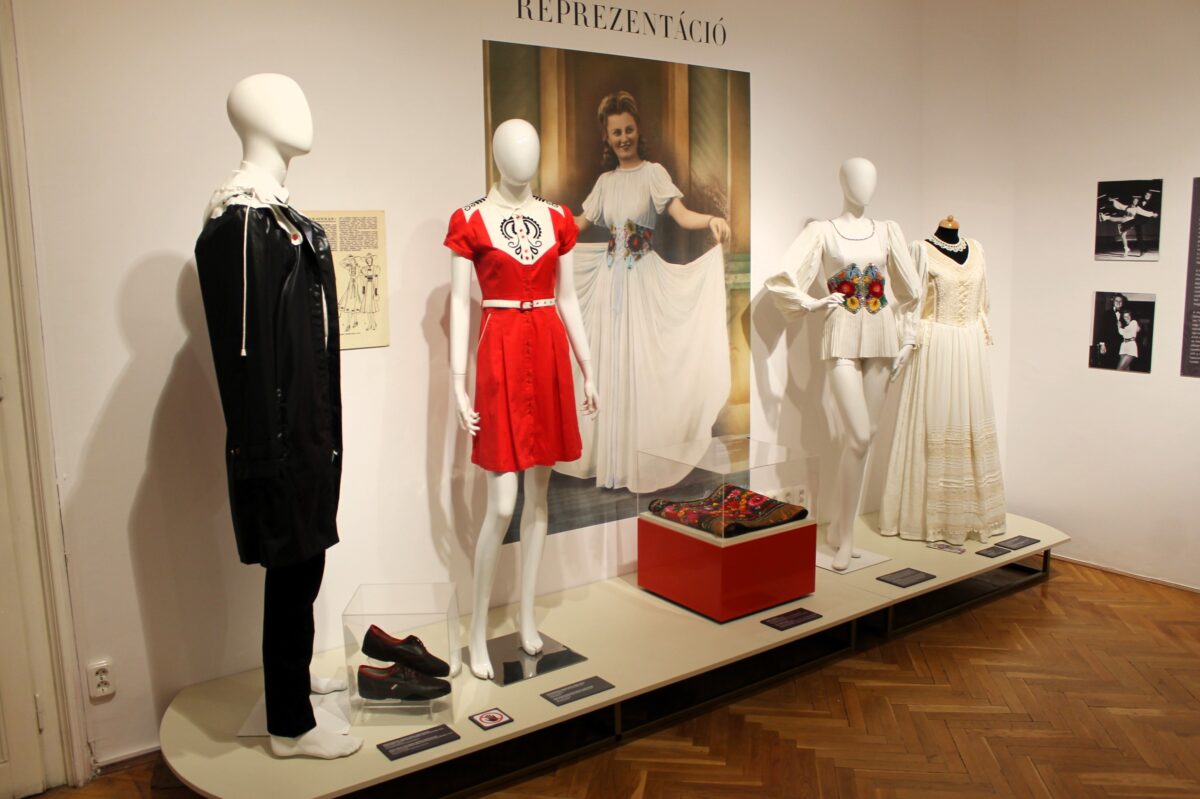
Alongside the traditional costumes of Szeged, the exhibition also features Krisztina Regőczy’s skating outfit, decorated with Matyó embroidery, as well as creations by Katti Zoób and Anita Benes.
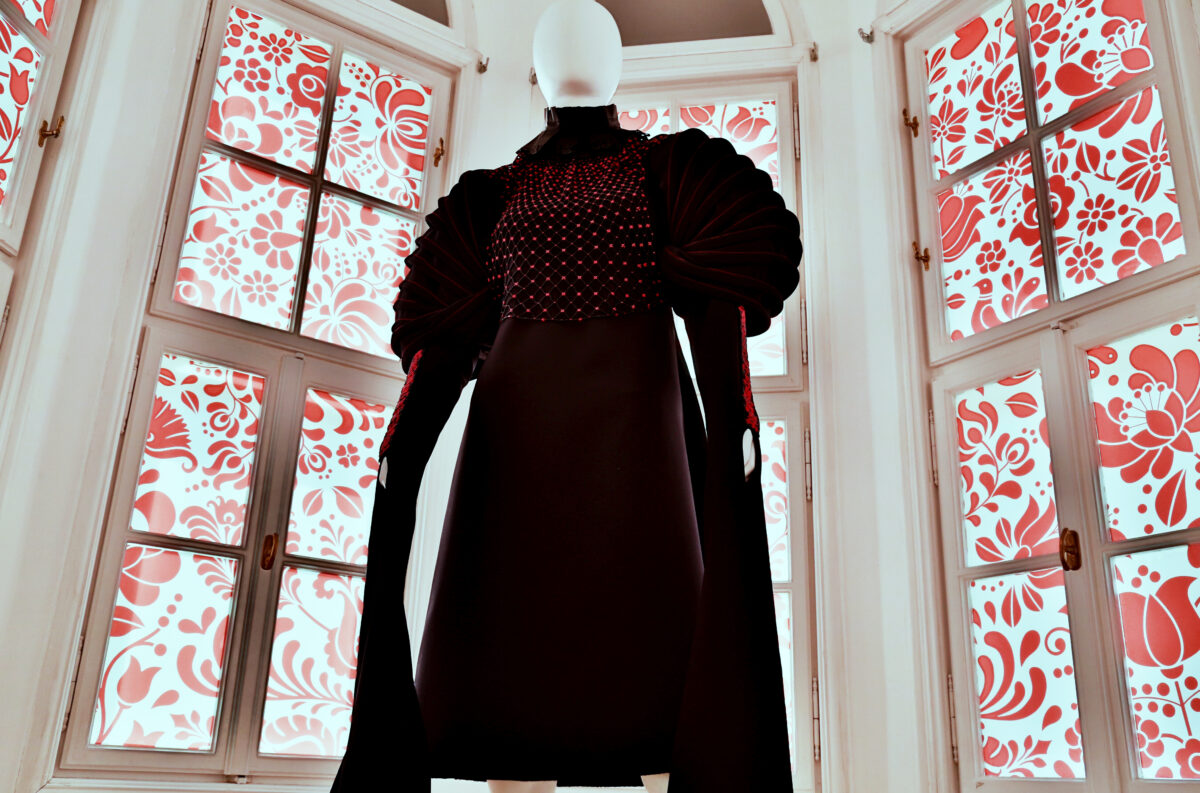
The aim of the exhibition is to demonstrate how folk art has influenced – and continues to influence – the fashion industry and fashion designers; through a total of nearly 80 garments, visitors can explore this fascinating interplay.
In the first section of the exhibition, we can see classic Hungarian and Szeged folk costumes, which in many cases have served as the basis for modern fashion designs. We can walk amongst garments inspired by folk art made by both well- known and emerging designers and craftspeople: the works of Katti Zoób, Anita Benes (Daalarna) and Dóra Tomcsányi are also on display in the exhibition spaces.
We can see the Matyó-embroidered figure-skating costume that Krisztina Regőczy first wore at the 1974 European Championships in Zagreb, and then at the subsequent World Championships in Munich. The sash adorning the costume was originally part of the debutante gown of her skating partner, András Sallay’s mother. Visitors can also see folk singer Márta Sebestyén’s performance costume, which she wore in 1993 when she sang in the presence of Queen Elizabeth II of England.
The exhibition features outfits from the folk dance gatherings and hippie movements, as well as the uniforms from the 2012 London Summer Olympics, which were also adorned with classic folk art motifs. Visitors can see the 1974 MALÉV (Hungarian Airlines) uniform worn by flight attendants: the red ensemble, consisting of a skirt, blouse, jacket and hat, was complemented by a Kalocsa-patterned apron.
As well as showcasing these unique garments, the exhibition also invites visitors to get involved by trying on clothes featuring folk art motifs and have their photographs taken in them.
The exhibition is part of the permanent collection of the Hungarian Heritage House (Budapest), complemented with Szeged-related elements.
The exhibition can be viewed at the Fekete ház (Black House) until 31 December 2026.